Author:BelightRelease Date:2026-11-05Number of visitors:2
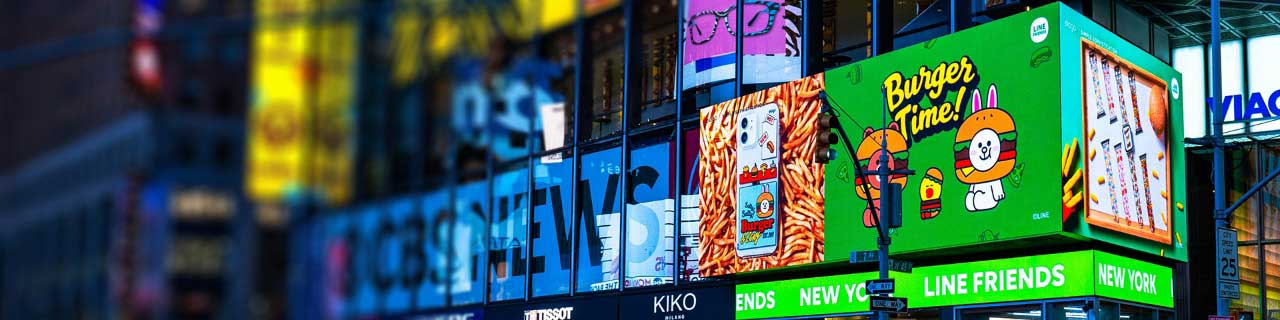
Indoor walls and outdoor walls ask for different things from a screen. An Outdoor LED Display lives in sun, rain, and dust, so its build has to survive where an indoor panel would fail. After planning installs for years, I rank weather sealing and brightness right next to resolution when clients ask what to buy.
An Outdoor LED Display needs a weatherproof LED screen enclosure that keeps moisture and dust out of the diodes. IP-rated cabinets, sealed connectors, and a cooling path stop condensation from shortening the life of the modules. A high brightness LED pushes past sunlight so the content stays visible at noon, not just at dusk.
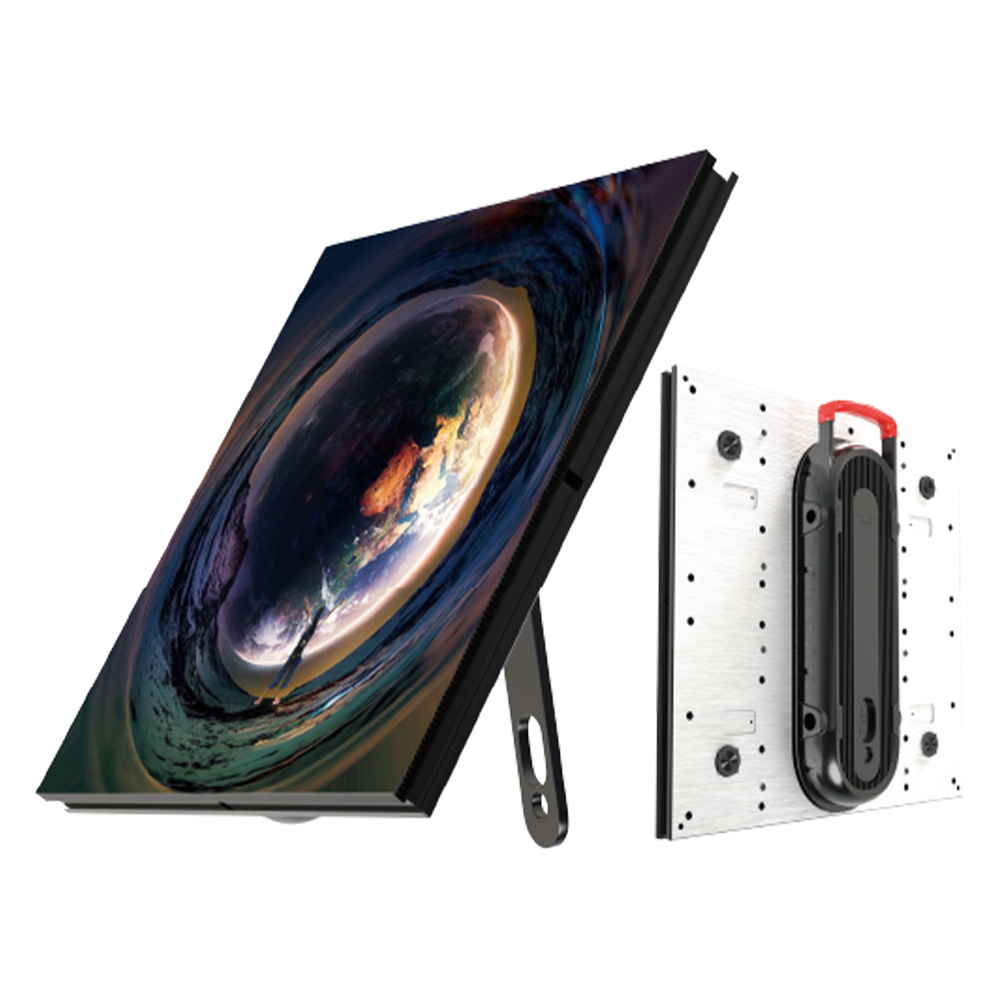
An outdoor fixed LED is built to stay put: bolted to a wall or a steel frame, serviced from the front or rear. It is not made to tour like a rental panel. For storefronts and building fronts, a building facade LED blends into the architecture while still showing promotions and information.
Outdoor screens draw more power to hit high nits, so a sensible design balances brightness against the viewing distance and local light. Over-driving wastes energy; under-driving hides the message. Browse the fixed and creative series for typical outdoor builds.
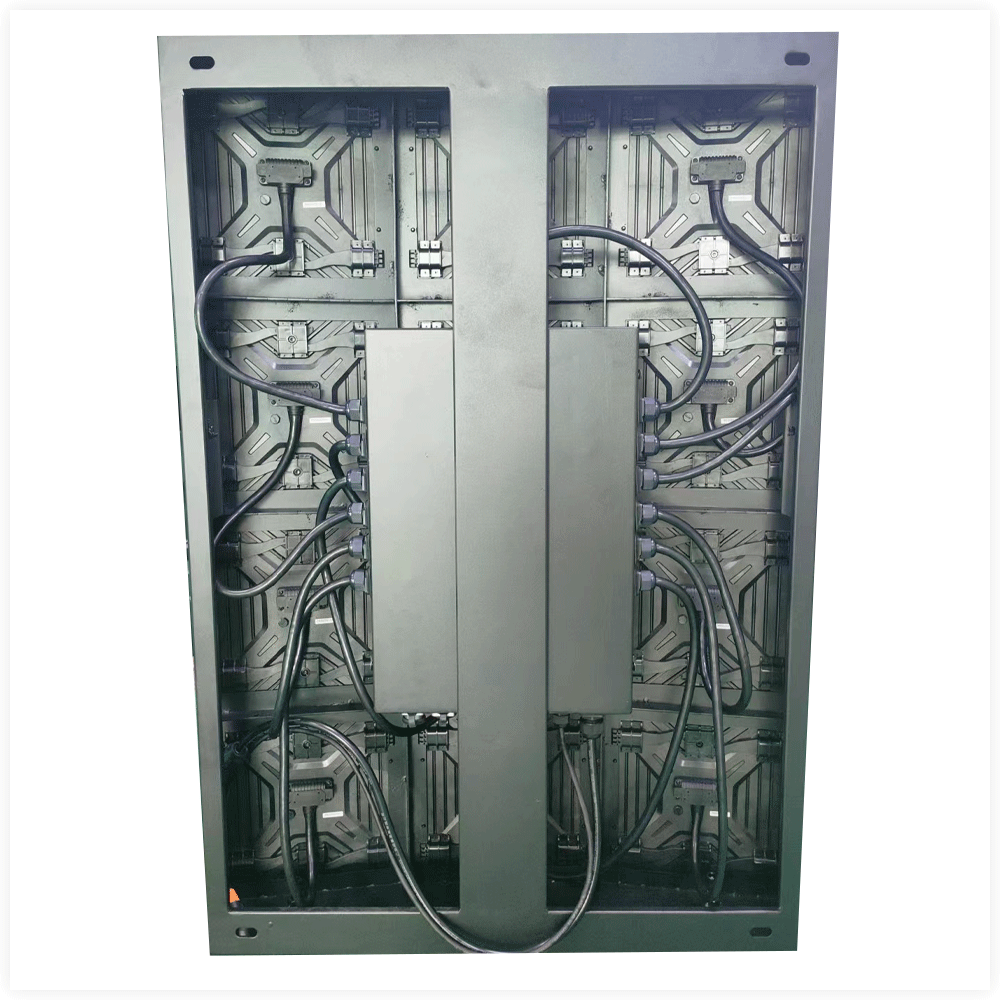
Keep vents clear and check seals yearly. A well-maintained Outdoor LED Display runs for years; neglect shows up as dead modules and haze. Plan access for service before install, not after.
A weatherproof LED screen with proper IP rating resists rain and dust; confirm the rating for your climate.
A high brightness LED for direct sun often needs several thousand nits to stay readable.
An outdoor fixed LED suits a permanent wall; rental panels are for events that move.
Many building facade LED units use sealed cooling; check the spec for hot regions.
Previous:Fine Pitch LED Display, a Sharp Wall for Close-Up Views
Next:no more

 +86 0755 23081583

info@belightled.com

Shiyan, Baoan, Shenzhen, China